
The Surprising Return of the Bookstore
And other updates on past articles

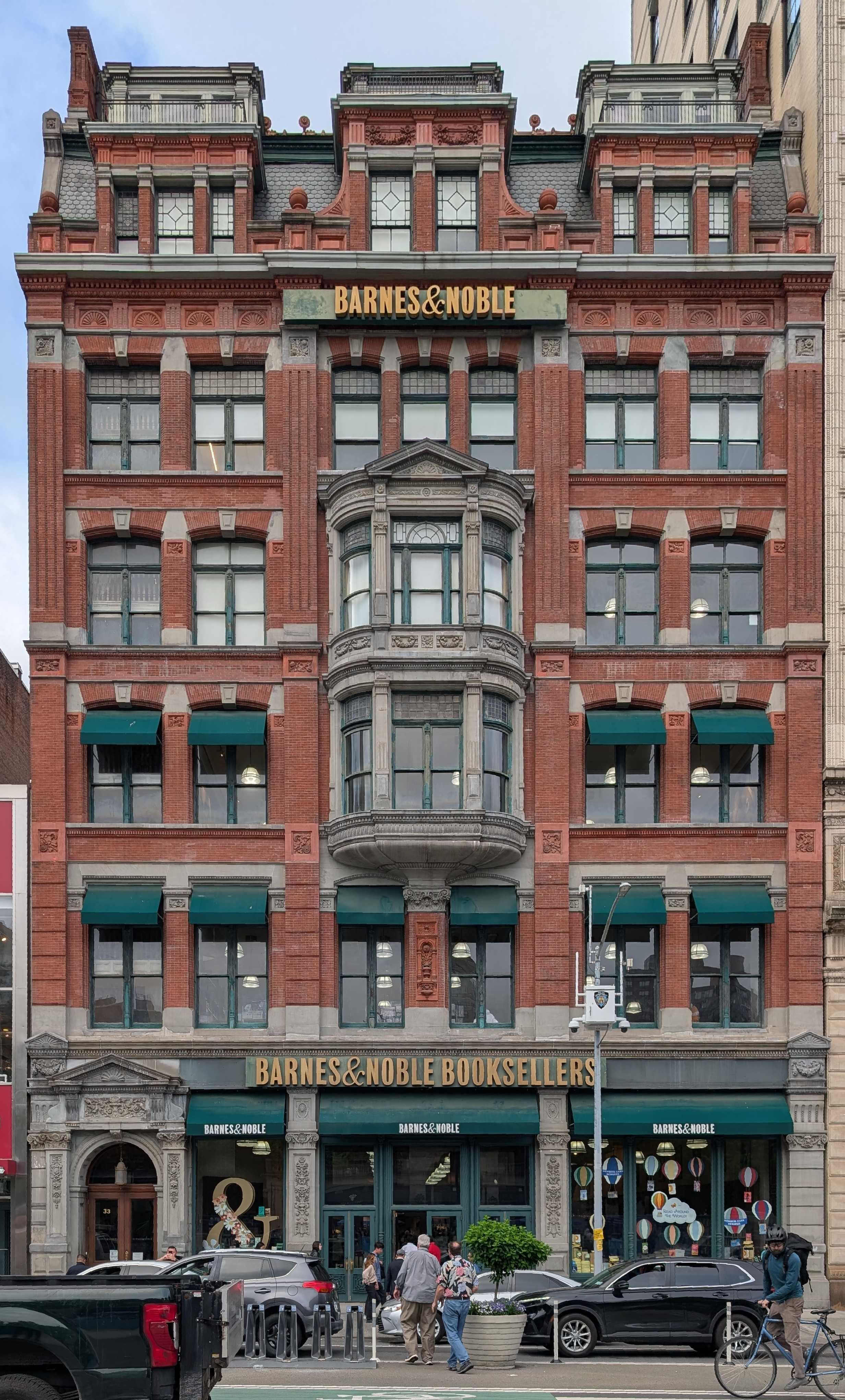
Three years ago, I praised the new boss at Barnes & Noble—a man named James Daunt who actually loves books. Back then, he was already infusing new life in the struggling company, and I predicted good things to come.
They have now arrived in full force.
Barnes & Noble opened 57 new stores in 2024 and 58 in 2025. Plans are afoot to open 60 more stores in 2026, and list the company on the stock exchange.
This is a remarkable achievement. It’s happening in the face of eroding reading skills and the replacement of leisure reading with online distractions. Reading for pleasure is down 40% but Barnes & Noble is growing steadily. James Daunt must be some kind of culture superhero to succeed in this environment.
How does he do this?
His goal is simple and straightforward: He wants to “make the bookstore as interesting and attractive as possible, and have within it friendly, informed booksellers who enjoyed their customers and their jobs.”
Daunt cares deeply about books and hires people who feel the same way. Then he enlists the support of booksellers in individual stores—who are given more freedom now to promote works they love. He even stopped taking promotional money in order to focus on the quality of the book instead of kickbacks from publishers.
This is how it’s done. Others in the culture business could learn from Daunt’s example.
Please support my work—by taking out a premium subscription (just $6 per month).
I’ve often praised Taylor Swift for how she deals with business issues—and even published an open letter to her, asking her to get more involved in these matters.
So I am happy to report that she has done me proud once again. She gave out $197 million in bonuses to her crew—not just the people on stage, but also truck drivers, caterers, lighting staff, and other workers behind the scenes.
That’s a meaningful portion of her bottom-line profits from her tour. I don’t believe any music star in history has done anything even close to this.
As many of you know, I believe in karma—and not just as a pop psychology concept. Karma exists and is embedded in the fabric of the universe. (I explained some of my thinking about this matter here. But I need to write about this in more detail in the future.) So it makes cosmic sense that the most generous performer in music is also the most successful in her own endeavors.
We will see a reverse example below—where I discuss the state of play at Billboard magazine.
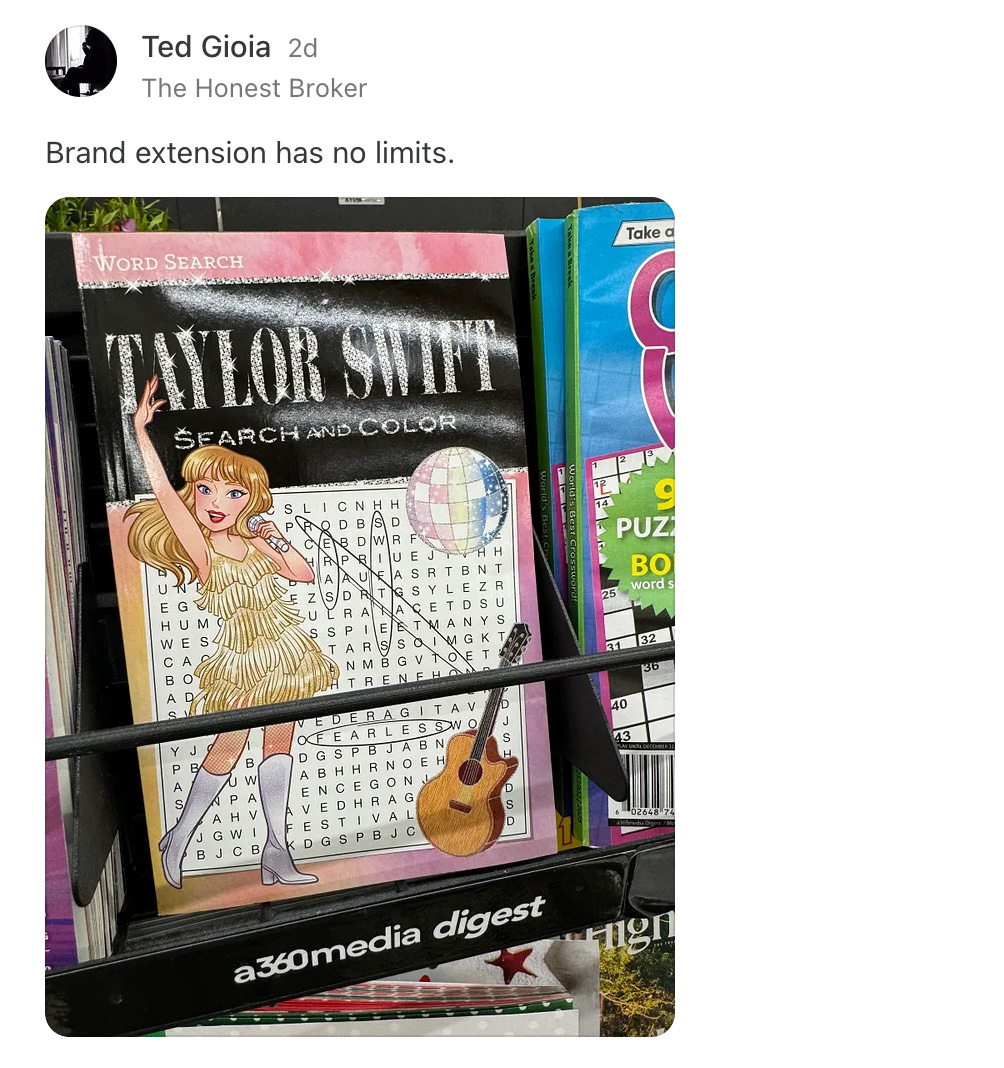
Meanwhile, Swift’s ability to tap into new income streams continues to amaze me. For example, I saw this at the checkout counter of my local supermarket.
The absurd havoc produced by AI is a regular theme at The Honest Broker—and there is never a shortage of them. But the latest idiocy deserves its own reality show.
The farce began when Anthropic decided to test a vending machine powered by AI—which would manage inventory and prices, while responding smartly to consumer demand.
The company was so proud of its work that it asked the Wall Street Journal to test the machine in its own office.
That was a bad move. Here’s what happened next:
Within days, Claudius had given away nearly all its inventory for free—including a PlayStation 5 it had been talked into buying for “marketing purposes.” It ordered a live fish. It offered to buy stun guns, pepper spray, cigarettes and underwear….
The AI vending machine soon went broke—which might also happen to some of these AI companies in the near future.
I first warned that old music was killing new music in an article that went viral back in 2022. But the situation has gotten much worse since then. Old songs are now so popular that it’s an embarrassment to the music industry.
Billboard is so concerned about this that it has now changed the rules for inclusion on the Billboard chart. According to NPR:
Billboard has revised its system of removing songs from the Hot 100 singles chart once they’ve gotten too old to qualify as contemporary hits. The measure, intended to shorten the amount of time successful songs spend on the Hot 100, knocks 10 tracks off this week’s chart—including Swims’ “Lose Control,” which spent more than two years on the Hot 100.
I understand why Billboard is doing this. But it’s not a satisfying solution to the real problem. It merely pretends that our music culture isn’t stagnating.
What we really need is for the music industry to invest in developing new talent. The scene would look much brighter if major labels took a fraction of the money they spend on buying publishing rights to old songs, and focused that on emerging artists.
But they have no intention of doing that—so they deserve all the long-term problems they are creating for themselves.
By the way, one of those ugly problems just landed on Billboard’s doorstep.
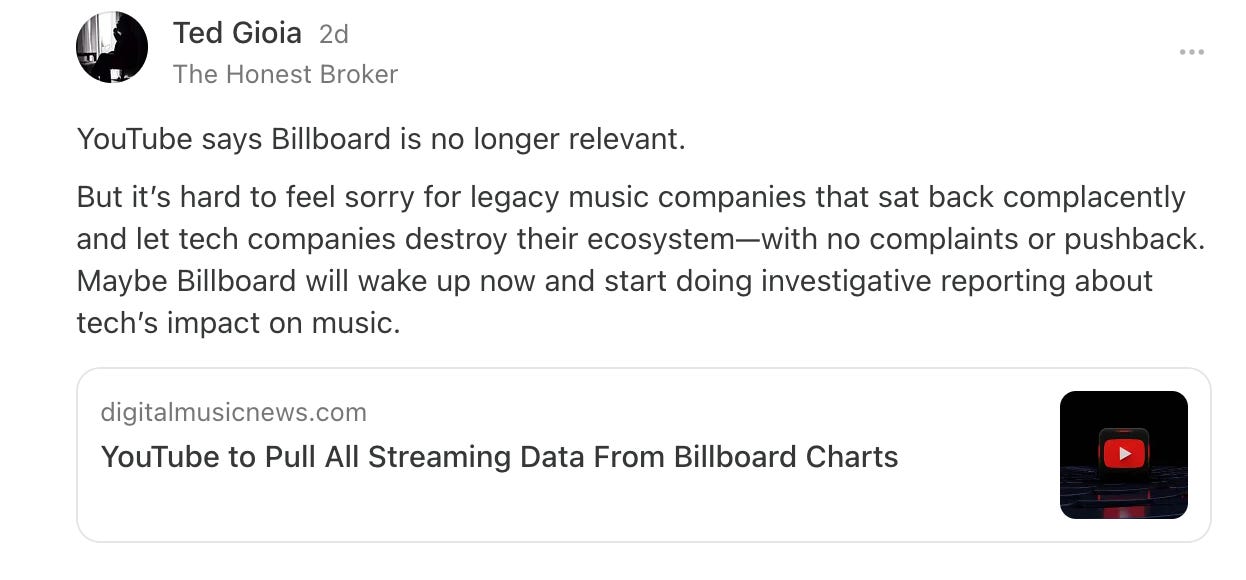
And here’s a headline from today—possibly related to the above shenanigans.
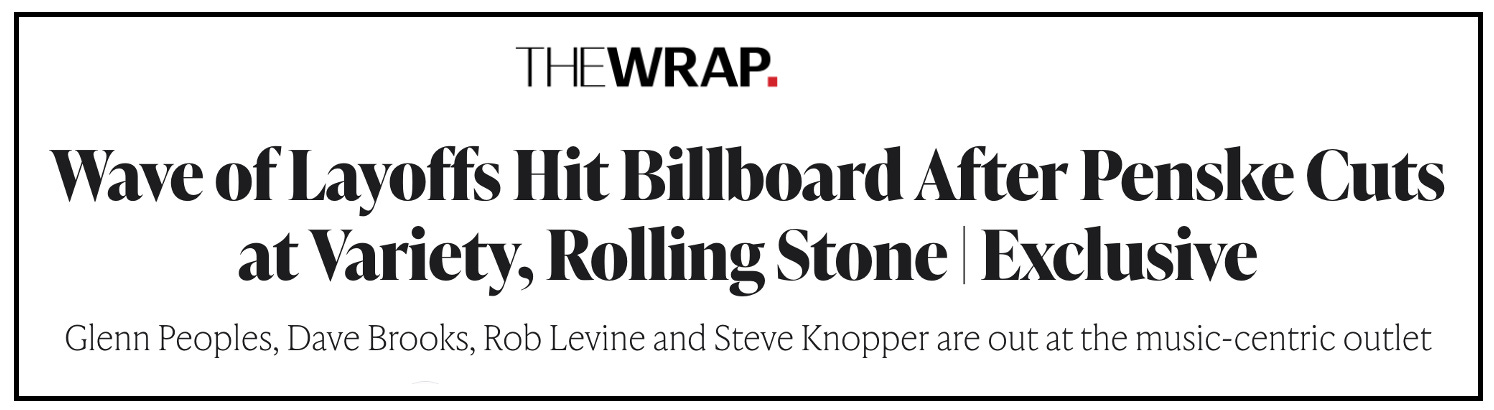
Yes, karma is real….
Share The Honest Broker with family and friends via a gift subscription.
Almost twenty years ago, I started babbling about prehistoric cave art—and said that music scholars need to pay close attention to the acoustics in those caves. These vivid paintings are almost always located in the part of the cave with the greatest resonance. This tells me that singing and chanting took place in these locations.
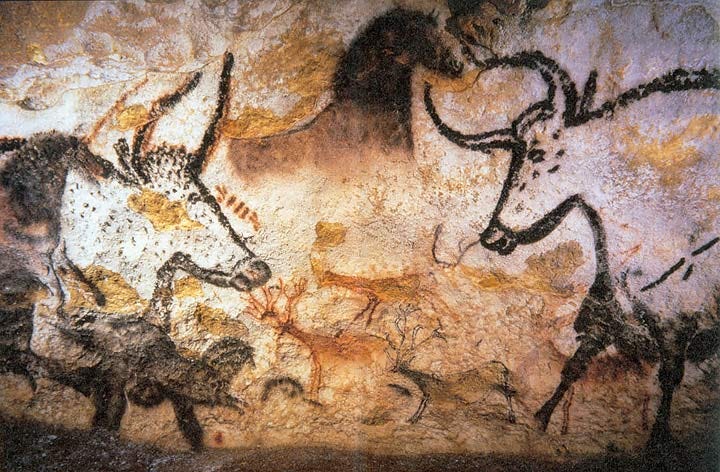
Now a seven-year study has proven this irrefutably.
“I was completely amazed,” says archaeologist and project leader Margarita Díaz-Andreu at the University of Barcelona, Spain, recalling her experiments at Valltorta gorge in eastern Spain. “Before the paintings, there was barely any reverberation, but as soon as we reached the paintings, the sound changed immediately.”
My hypothesis is that hunters gathered in front of these cave paintings in preparation for their expeditions. They sang here, and the acoustics created loud powerful sounds that gave them courage for the hunt—and also scared away larger animals, thus allow the humans to operate as scavengers.
This was, needless to say, the first rock music—surrounded by actual rocks.
I keep worrying about what tech is doing to our thinking and reading skills. But some businesses are already prepared.
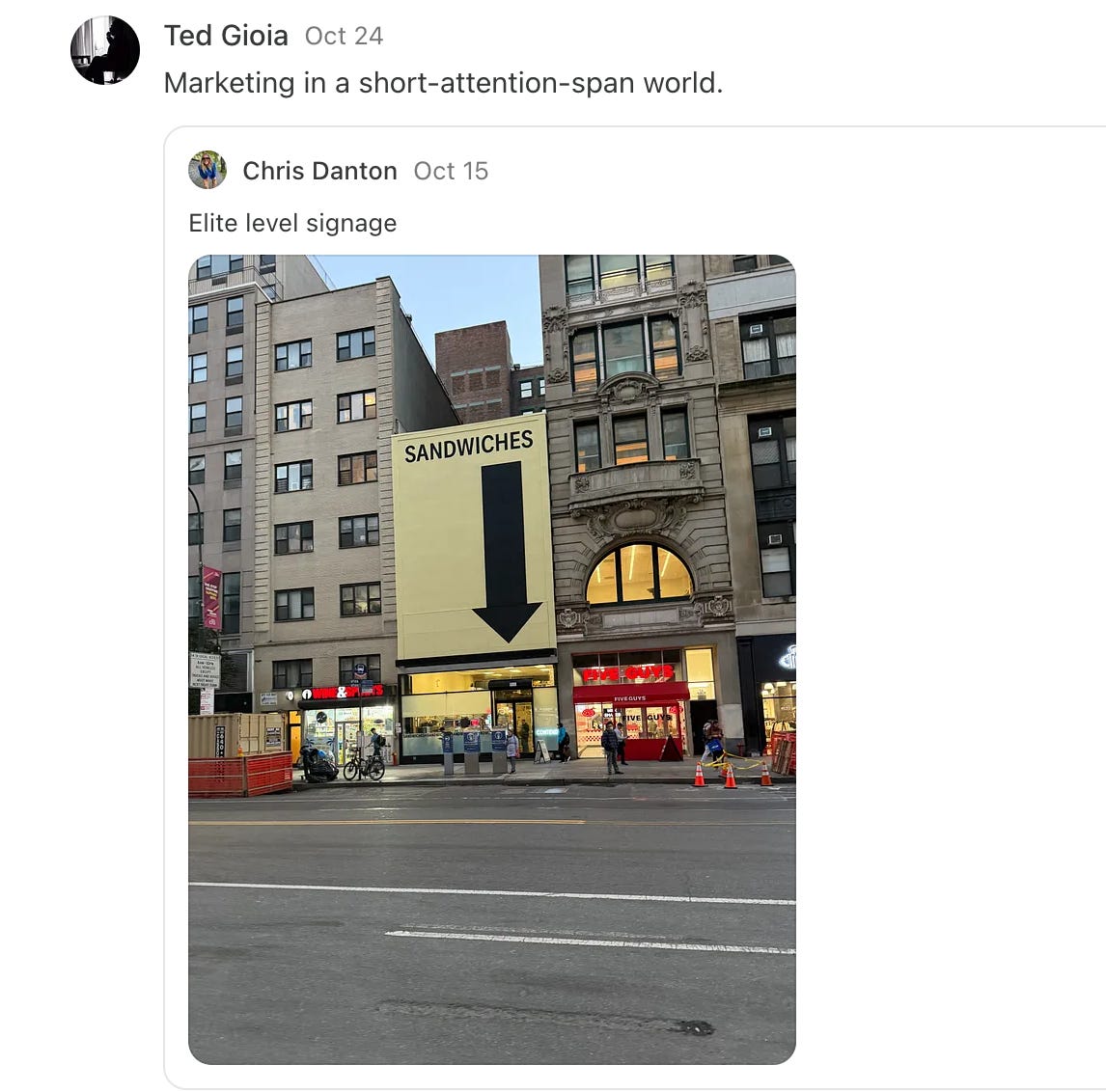


That’s all for now. I’ll be back soon with more.
There's still hope for the survival of books. A new Barnes & Noble opened up in Orange Ca years after the old one closed because of a fire. The store is packed every time I go in there. And the book selection doesn't reflect the corporate publishing world's idea of what we should buy but, rather, the tastes of the employees and the residents of Orange County with it's large Hispanic and Asian population. It's great to have a neighborhood bookstore again.
Love this and yes - books - the real thing - are a remarkable technology - I was just looking at a stamp issued to commemorate Gutenberg's Bible - the stamp came out in 1952....and was marking 500 years of movable type. We have been transformed....