
The New Cool Thing: Being Human
The new jobs won't be in coding, but for curators, concierges, caregivers, conversationalists, and other flesh-and-blood alternatives to bots and algorithms

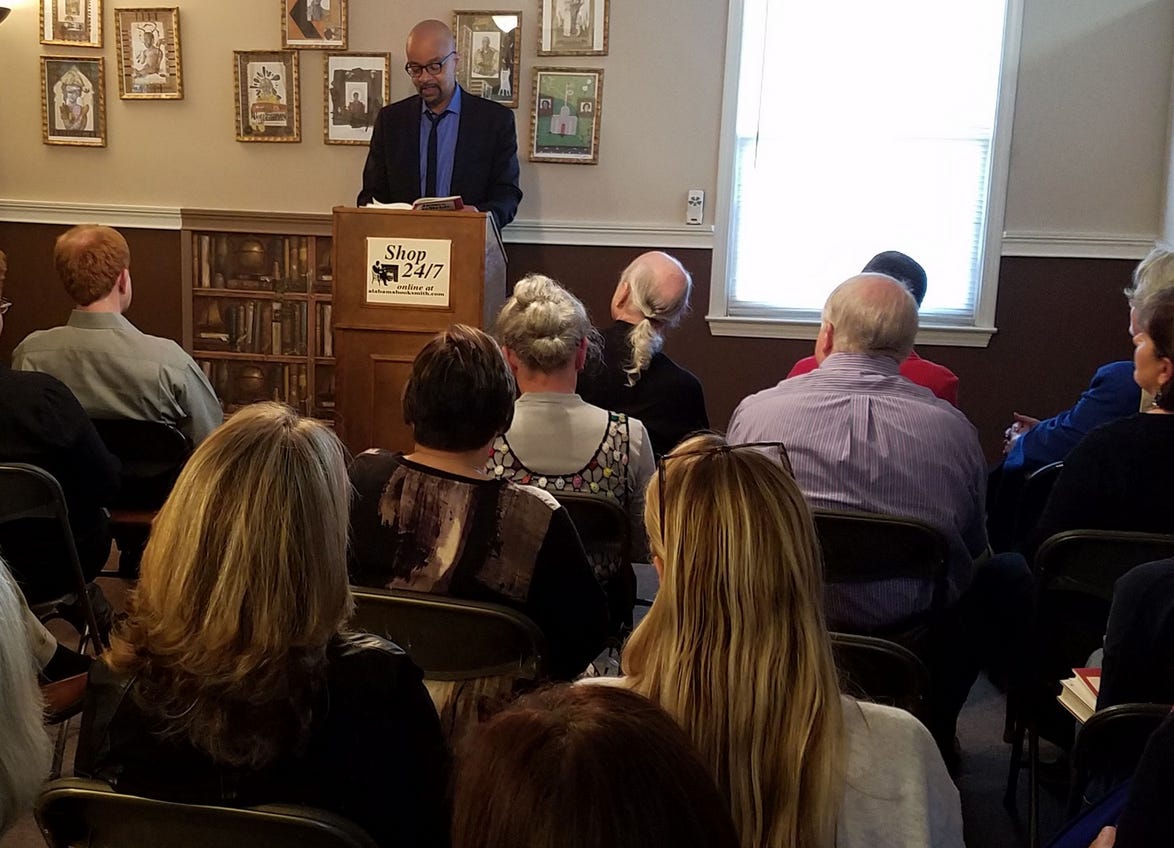
A bookstore in Alabama keeps getting covered in the national news. Even The New Yorker recently sent a reporter to visit The Alabama Booksmith, a small, almost windowless business on a dead-end street in Birmingham.
From the outside, it looks like an old clapboard home. But this nondescript store has also gotten noticed by NPR, USA Today, Good Morning America, and a dozen other media outlets. You might think that it was some special tourist destination—and maybe it is.
In a time when many indie bookstores struggle to survive, The Alabama Booksmith is flourishing. But it has a crazy strategy that draws customers, who bypass stores in their own cities to purchase from a distant retailer.
Here’s the secret: Every book in the store is signed by the author.
Please support my work—by taking out a premium subscription (just $6 per month).
The store owner demands even more. He wants the author to travel to Alabama—to sign the copies in the store. He likes to see the human author in the flesh. In an age of AI slop books on Amazon, this is the ultimate verification of authorship.
But how can a bookstore in Alabama convince publishers to send their famous writers to Birmingham. That’s easy to answer: Alabama Booksmith can guarantee sales of several hundred copies of a new book, and maybe more. That’s enough to convince authors to fit in Alabama on their book tours.
The Alabama Booksmith rarely charges a premium for these signed copies. “Our books don’t cost more,” owner Jacob Reiss told The New Yorker, “but they are worth more.”
Customers repay him with their loyalty. The store never solicits business, but it now has more than 5,000 customers on its email list. And so many people travel from out-of-town to visit the store that it has negotiated a discount rate with a local hotel.
The customers value the human touch in these signed books.
The same dynamic is also fueling the vinyl revival in music. Musicians sell these at gigs—and many do it themselves, directly transacting with fans. Here, too, a real human does something no AI bot can replace.
Everybody enjoys it, and I speak with authority as someone who has been on both sides of the transaction. I have bought directly from musicians, relishing the opportunity to chat for a few seconds with the person behind the album. And I have peddled my own works at public events, welcoming my chance to do the three S’s: Sell, Sign, and Schmooze.
This is the new secret strategy in the arts, and it’s built on the simplest thing you can imagine—namely, existing as a human being.
You see the same thing in media right now, where livestreaming is taking off. “For viewers,” according to Advertising Age (citing media strategist Rachel Karten), “live-streaming offers a refuge from the growing glut of AI-generated content on their feeds.
“In a social media landscape where the difference between real and artificial has grown nearly imperceptible, the unmistakable humanity of real-time video is a refreshing draw.”
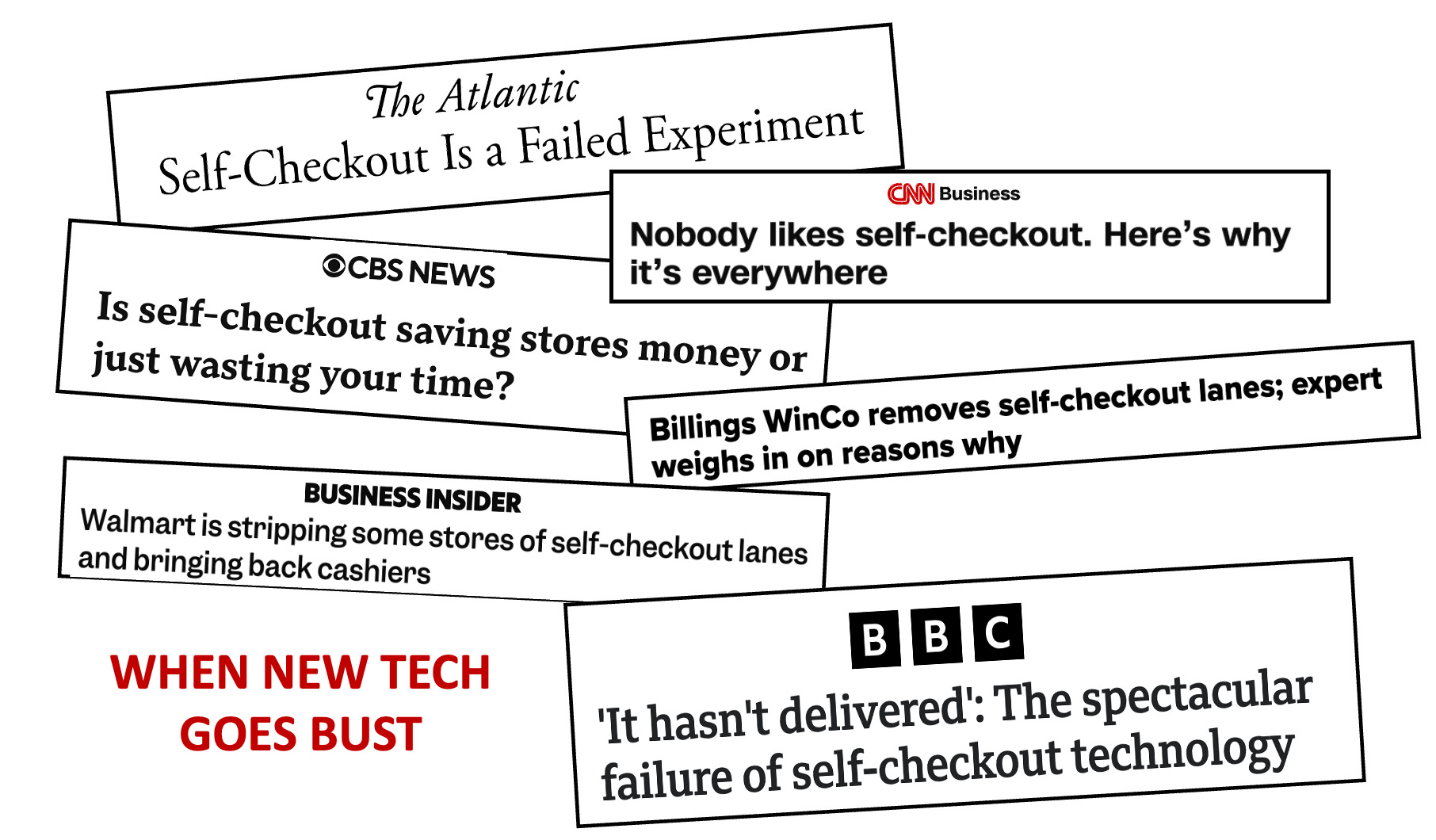
This return to human contact is happening everywhere, not just media and the arts. Amazon recently shut down all of its Fresh and Go stores—which allowed consumers to buy groceries without dealing with any checkout clerk. It turned out that people didn’t want this.
I could have told Amazon from the outset that customers want human service. I see it myself in store after store. People will wait in line for flesh-and-blood clerks, instead of checking out faster at the do-it-yourself counter.
But this isn’t happenstance—it’s a sign of the times. You can’t hide the failure of self-service technology. It’s evident to anybody who goes shopping.
As AI customer service becomes more pervasive, the luxury brands will survive by offering this human touch. I’m now encountering this term “concierge service” as a marketing angle in the digital age. The concierge is the superior alternative to an AI agent—more trustworthy, more reliable, and (yes) more human.
“Concierges and curators are now the ultimate status symbol. Just like the elite travelers who get to skip the check-in line, the elite online journeyers get to bypass the algorithms.”
Even tech companies are figuring this out. Spotify now boasts that it has human curators, not just cold algorithms. It needs to match up with Apple Music, which claims that “human curation is more important than ever.” Meanwhile Bandcamp has launched a “club” where members get special music selections, listening parties, and other perks from human curators.
Just today, streamer Qobuz announced the launch of a proprietary AI detection tool. The company has also published an in-depth AI charter (in six languages!) which reflects its support of human creators at every turn.
Welcome to the new world of flesh-and-blood concierges and curators. That’s now the ultimate status symbol. Just like the elite travelers who get to skip the check-in line, the elite online journeyers get to bypass the algorithms and bots.
That is the paradox of living in a digital age. Human beings have more prestige than ever—and they get it just by showing up.
This won’t change. In fact, the Silicon Valley elites forcing tech down our throats will only make us hate cold, sterile tech more than ever. And they won’t fix that problem by training AI to pretend to be human. That just adds insult to injury.
This might even be the hot new career path—readymade for curators, concierges, caregivers, conversationalists, and other people who love people. As the old pop song anticipated, they might just end up being the happiest people of them all.
So welcome to the lovely new economy where humans actually matter. Go ahead, try it out. Be cool—be a human. All the bots in botdom will never be able to take that away from you.
And while you are being human, be a whole human. An emotional and spiritual human, not just a physical and mental human. Otherwise something will still be missing from your being, your life, and your world.
The Greeks called it Mētis- all the parts of us that cannot be measured, that connect, inspire and evoke beauty.